
Avoiding Common Mistakes in DIY Key Fob Repair
Ma
Introduction to DIY Key Fob Repair
Key fobs are essential for modern vehicles, providing convenience and security. However, they can sometimes malfunction or break. While it may be tempting to fix these issues yourself, DIY key fob repair can lead to common mistakes. This guide will help you avoid these pitfalls and ensure a successful repair.
Choosing the Right Tools
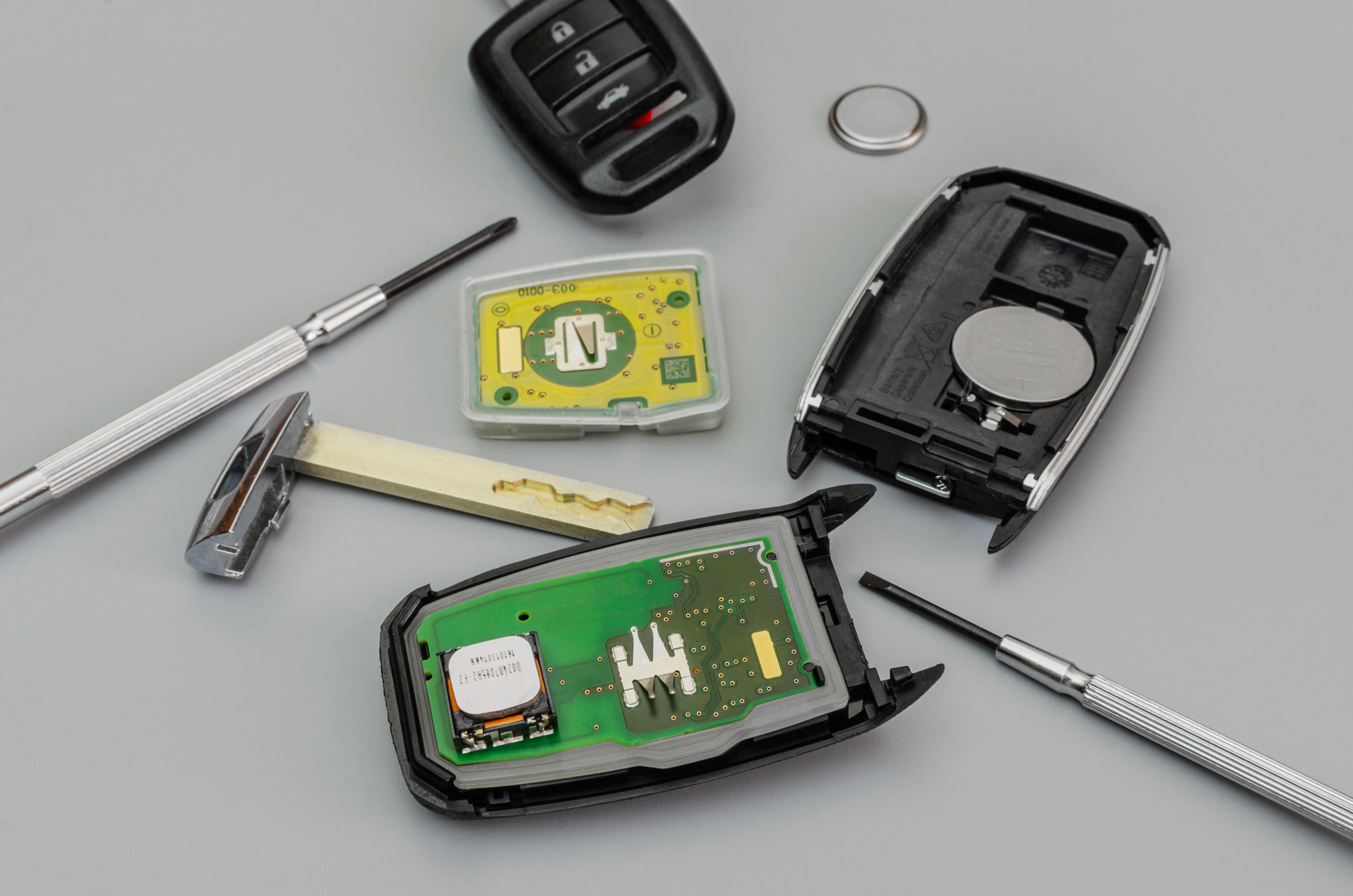
Before you begin, it's crucial to have the right tools. A small screwdriver set, tweezers, and a multimeter are often necessary. Using inadequate tools can damage the delicate components of your key fob. Invest in quality tools to prevent mishaps.
Another common mistake is neglecting to use an anti-static mat. Static electricity can harm electronic components, so always take precautions to ground yourself and your workspace.
Understanding the Key Fob Components
Key fobs are complex devices with various components, including a battery, circuit board, and buttons. Failing to understand how these parts work together can lead to incorrect assembly or further damage. Take time to research and understand each component before diving into the repair.
Consider watching instructional videos or reading the key fob's manual if available. This will give you a clearer understanding of how your specific model is constructed.
Avoiding Battery Replacement Mistakes
A common issue with key fobs is a dead battery. While replacing the battery appears straightforward, many errors can occur. Ensure you use the correct battery type and orientation. Inserting the battery incorrectly can cause the fob to malfunction.
- Check the battery type and model.
- Follow the correct polarity.
- Handle the battery with care to avoid short circuits.
Proper Handling of the Circuit Board
The circuit board is the heart of your key fob. Mishandling it can lead to irreparable damage. Always handle the circuit board by its edges and avoid touching the solder joints and components.
Additionally, be cautious of applying too much force when assembling or disassembling the key fob. Excessive force can crack the board or dislodge components, leading to further issues.
Testing Your Repair
Once you've completed the repair, test the key fob before final assembly. This will save you time if further adjustments are needed. Check all buttons and functions to ensure they operate correctly.
If the key fob doesn't work as expected, revisit each step to diagnose potential errors. Patience and attention to detail are key to a successful DIY repair.

When to Seek Professional Help
While DIY repairs can be rewarding, there are times when professional help is necessary. If the repair becomes too complex or if you lack confidence in your skills, contacting a professional can save time and prevent further damage.
Professionals have the expertise and tools to handle more intricate repairs, ensuring your key fob works efficiently and reliably.
Conclusion
Avoiding common mistakes in DIY key fob repair requires preparation, understanding, and care. By following these guidelines, you can successfully repair your key fob and avoid unnecessary complications. Remember, when in doubt, seeking professional assistance is always a wise choice.